Thinking about trading your city condo for more space without giving up convenience? South Miami can feel like that rare middle ground in Miami-Dade: more room to grow, more control over your home, and still close to the places you need to be. If you are a move-up buyer coming from Brickell, Downtown, or another urban core, this guide will help you understand what South Miami offers, what the numbers say, and what to watch before you make your next move. Let’s dive in.
Why South Miami Appeals to Move-Up Buyers
South Miami stands out because it is not a far-out suburb. The city is compact, with about 12,026 residents and roughly 2.27 square miles according to the Census Bureau, while the city describes itself as around 2.5 square miles. It also sits about 3 miles south of the City of Miami and borders Coral Gables, Pinecrest, and the University of Miami.
That location matters when you are moving up from the city but do not want to feel disconnected. South Miami stays tied into the larger Miami-Dade rhythm, and U.S. 1 runs through the area with heavy daily traffic, which helps explain why it feels connected rather than remote. In practical terms, you may gain a more residential setting without feeling like you have left urban Miami behind.
What “Move-Up” Really Means Here
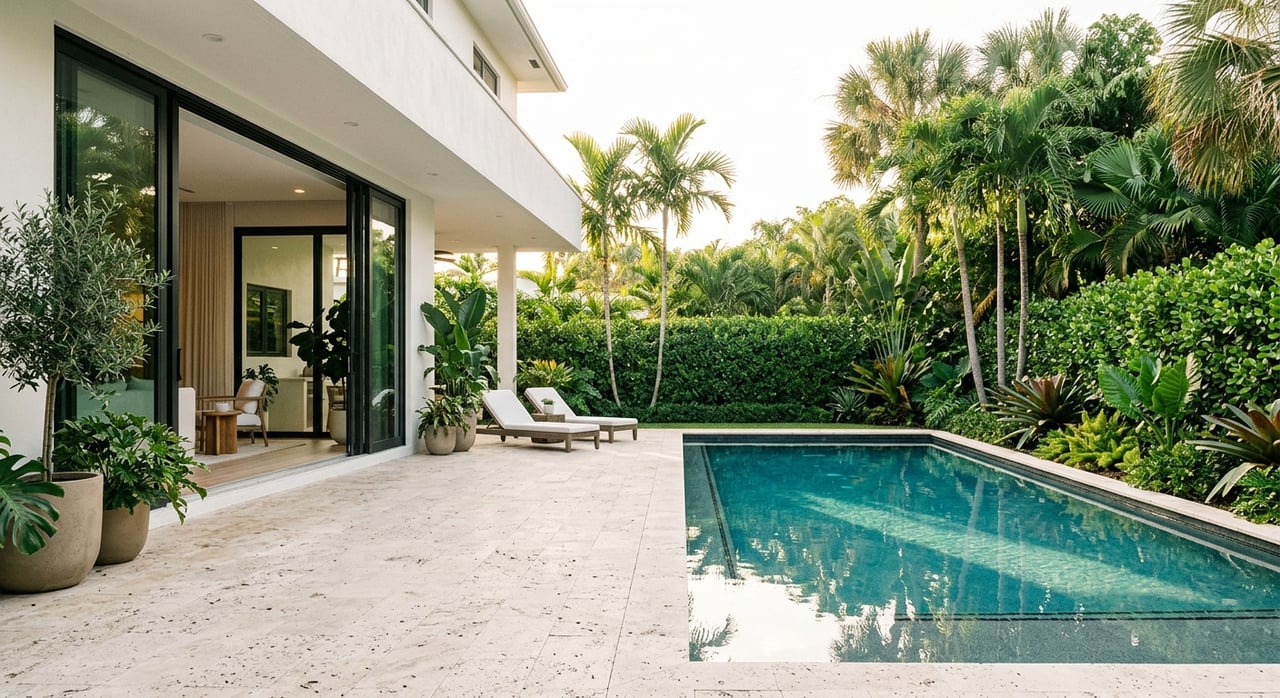
For many buyers, moving up is not only about buying a larger property. It is about changing how you live day to day. In South Miami, that often means shifting from shared walls and building rules toward more private outdoor space, more interior flexibility, and a stronger sense of residential living.
The local housing profile supports that idea. South Miami has a 60.2% owner-occupied housing rate, compared with 30.8% in the City of Miami. The median value of owner-occupied homes is $829,400 in South Miami, versus $518,100 in Miami city, and median household income is also higher at $94,507 compared with $62,462.
Those numbers do not guarantee that one lifestyle is better than another. They do suggest that South Miami tends to attract longer-term homeowners and buyers willing to pay more for space, location, and control over their property.
South Miami Housing Costs to Expect
South Miami is a premium market, so it helps to enter with a realistic budget. Current snapshots show 81 active listings, a median listing price of $1.19 million, a median listing price per square foot of $626, and a median of 65 days on market. Redfin’s March 2026 closed-sale data shows a median sale price of $1.056 million and $586 per square foot, with homes taking a median 104 days to sell.
For you as a buyer, that points to a market that is expensive but not rushed at all costs. Homes are still moving, yet they are not selling in a distressed environment. That can create room for negotiation, especially when a property needs updates, has been sitting longer, or raises questions on condition or insurance.
Condo vs Home in South Miami
If you are moving from a condo, this is usually the biggest decision point. At the county level, Miami-Dade single-family homes had a median sale price of $685,000 in February 2026, with 6.2 months of supply, a 55-day median time to contract, and a 93-day median time to sale. Townhouses and condos had a median sale price of $410,000, with 13.4 months of supply, an 83-day median time to contract, and a 119-day median time to sale.
That gap helps frame your options. Condos and townhomes often offer a lower entry price and more available inventory. Detached homes usually cost more, but they can offer more private outdoor space, more independence, and a more residential feel.
If you are comparing a city condo with a South Miami home, do not focus only on monthly payment. Also look at usable interior square footage, lot size, storage, parking, and how much control you want over maintenance and long-term decisions. In a market with high price per square foot, what you actually get for your money matters.
Daily Life in South Miami
South Miami appeals to move-up buyers because it blends convenience with livability. The city says its park system includes 17 parks and facilities across 48 acres, with amenities such as an aquatic center, dog park, paths, playgrounds, courts, and fields. That gives you more options for day-to-day routines close to home.
The city also describes Sunset Drive as the heart of a walkable district with outdoor dining and community events. If you are used to city convenience, this can help ease the transition. You may not get the same high-rise lifestyle, but you can still enjoy a neighborhood with activity, local destinations, and a stronger street-level feel.
Commute and Transit Considerations
One of South Miami’s biggest strengths is access. Miami-Dade says the Metrorail Green Line includes South Miami station and runs from 5 a.m. to midnight every day. For buyers who still work in central Miami, near the university corridor, or along connected employment hubs, that is a meaningful advantage.
At the same time, South Miami is still car-oriented. The city’s location near U.S. 1, the University of Miami, and major hospitals means traffic is part of everyday life. That is why South Miami often feels like a hybrid: you get more of a residential setup, but you still live in a busy corridor tied to jobs, healthcare, and regional movement.
Schools and Planning Your Search
If schools are part of your move-up plan, South Miami gives you options to research early. Miami-Dade County Public Schools identifies South Miami Senior High School at 6856 SW 53rd Street and South Miami K-8 Center at 6800 SW 60 Street. South Miami Senior High’s official site highlights AP coursework and academies in arts, information technology, and architecture/construction.
Attendance matters just as much as location. District materials identify South Miami K-8 Center as a formal attendance-zoned school, but buyers should verify enrollment eligibility directly with the district because service boundaries are reference points only. When you are narrowing homes, it is smart to confirm school assignment before you commit.
Condo Due Diligence Matters More Now
If your move-up search still includes condos or certain townhome communities, Florida condo rules deserve close attention. Under Florida law, residential condominium buildings three stories or higher must have milestone inspections at 30 years and every 10 years after that. Qualifying associations also must complete structural integrity reserve studies at least every 10 years.
These are separate requirements, and they can affect your real cost of ownership. For you, that means reviewing reserves, special assessments, budgets, maintenance history, and building condition is not optional. A lower purchase price does not always mean lower long-term cost.
Climate and Insurance Risks to Factor In
South Miami also comes with property-level risk considerations. Redfin’s climate panel, using First Street data, shows minor flood risk, extreme wind risk, and extreme heat risk across the city. That does not mean South Miami is off the table, but it does mean you should evaluate each property carefully.
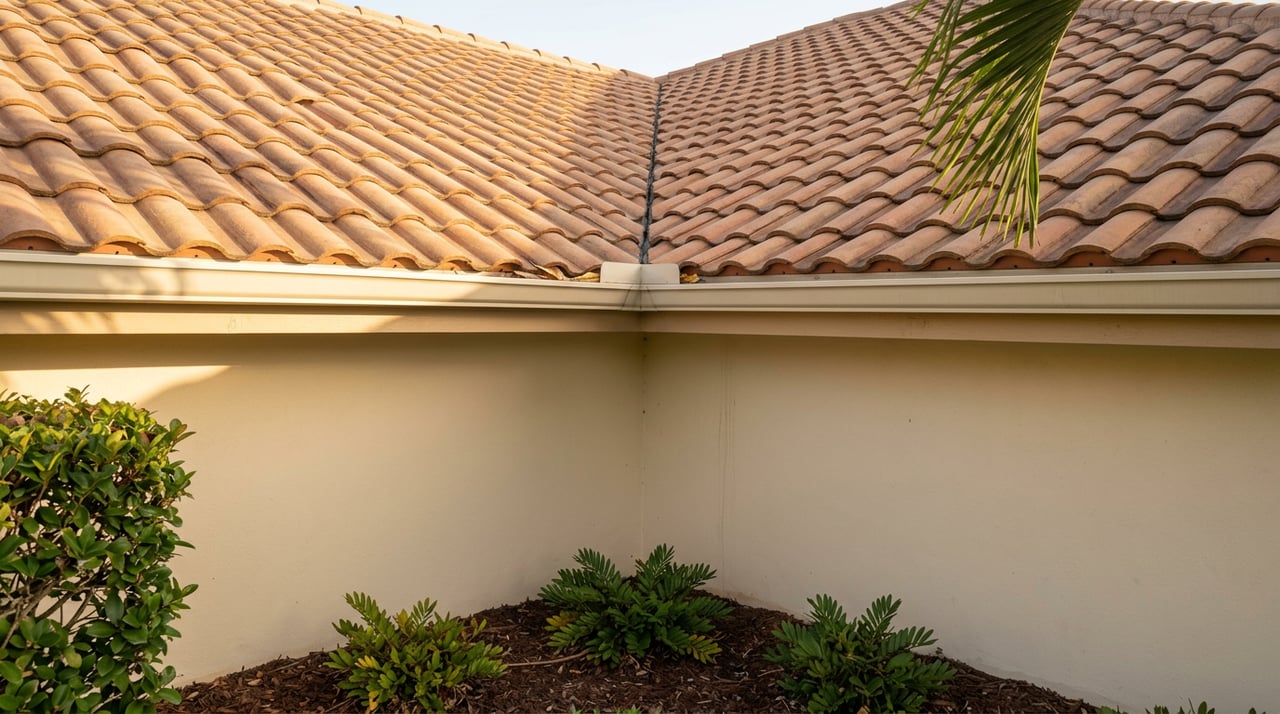
In real life, this often comes down to roof age, drainage, maintenance history, shutters or impact protection, and insurance pricing. These details can shape affordability just as much as the purchase price does. A move-up purchase works best when you look beyond the listing photos and focus on total ownership costs.
Is South Miami the Right Next Step?
For many city buyers, South Miami makes sense because it offers an urban-suburban step up. You can gain space and autonomy while staying connected to central Miami, transit, parks, schools, and local retail. That balance is hard to find in a market where many areas feel either fully urban or fully suburban.
South Miami is not the budget choice, and it should not be viewed that way. It is better understood as a premium, compact, connected market where buyers often pay more for a residential lifestyle that still keeps them close to the action. If that is what you want in your next chapter, it is a market worth a serious look.
When you are weighing condo life against a home, or comparing South Miami with nearby areas, having a local guide can save you time and help you avoid expensive mistakes. If you want a thoughtful, data-driven plan for your move-up search, reach out to Jon Gilman for personalized guidance.
FAQs
What makes South Miami attractive for move-up buyers from the city?
- South Miami offers a mix of more residential living, access to parks and local dining, and strong connectivity to central Miami through roads and Metrorail.
How expensive is the South Miami housing market?
- Current market snapshots show a median listing price of $1.19 million and a median closed sale price of $1.056 million, which places South Miami in a premium price tier within Miami-Dade.
Should buyers choose a South Miami condo or a single-family home?
- That depends on your budget and lifestyle, but county data shows condos and townhomes usually offer a lower entry price and more supply, while single-family homes generally offer more privacy and outdoor space.
Is South Miami good for commuting into Miami?
- South Miami can be practical for commuting because it has a Metrorail station on the Green Line and remains closely tied to major roads, employment areas, and the university corridor.
What should condo buyers check in South Miami before buying?
- Condo buyers should review association reserves, possible special assessments, building condition, milestone inspection requirements, and structural integrity reserve study obligations under Florida law.
What property risks should buyers evaluate in South Miami?
- Buyers should pay close attention to flood, wind, and heat risk, along with roof age, drainage, maintenance history, and likely insurance costs for the specific property.
How should buyers verify school eligibility for a South Miami home?
- Buyers should confirm school enrollment eligibility directly with Miami-Dade County Public Schools because attendance boundaries are reference points and may change or require verification.