Wondering whether a historic home or a newer build is the better fit in Coral Gables? You are not alone. For many buyers, this decision comes down to more than style. It often affects renovation plans, insurance costs, permitting, and even how a specific block feels day to day. This guide will help you compare both options so you can make a more confident move in Coral Gables. Let’s dive in.
Why this choice matters in Coral Gables
Coral Gables is not a market where “old versus new” is just about taste. The city was planned and built in the 1920s with a strong Mediterranean Revival identity, including coral-rock details, plazas, entrances, and tree-lined boulevards. That early planning still shapes the look and feel of many streets today.
It also shapes the rules. Coral Gables adopted its first preservation ordinance in 1973, which means historic status here is tied not just to age, but also to designation, district status, and review requirements. If you are comparing homes, that distinction matters from the start.
What makes a home historic
In Coral Gables, a home generally must be at least 50 years old to qualify for local historic designation. Still, age alone does not automatically make a property historic. A home may be older without being locally designated or located in a historic district.
That is why buyers should look beyond the listing description. A home’s status can affect what exterior changes are allowed and whether historical review is required before permits are issued. If you plan to renovate, expand, or redesign, this is one of the first questions to answer.
Historic status can change your options
Locally designated properties are reviewed before exterior alterations can receive permits. The city also states that additions and infill in historic settings should be compatible with the existing architecture and setting rather than simply copying old details.
In practical terms, that means your freedom to change roofing, windows, facades, or visible additions may be more limited than in a newer property. For some buyers, that structure protects the character they love. For others, it may feel like added friction.
What historic homes offer
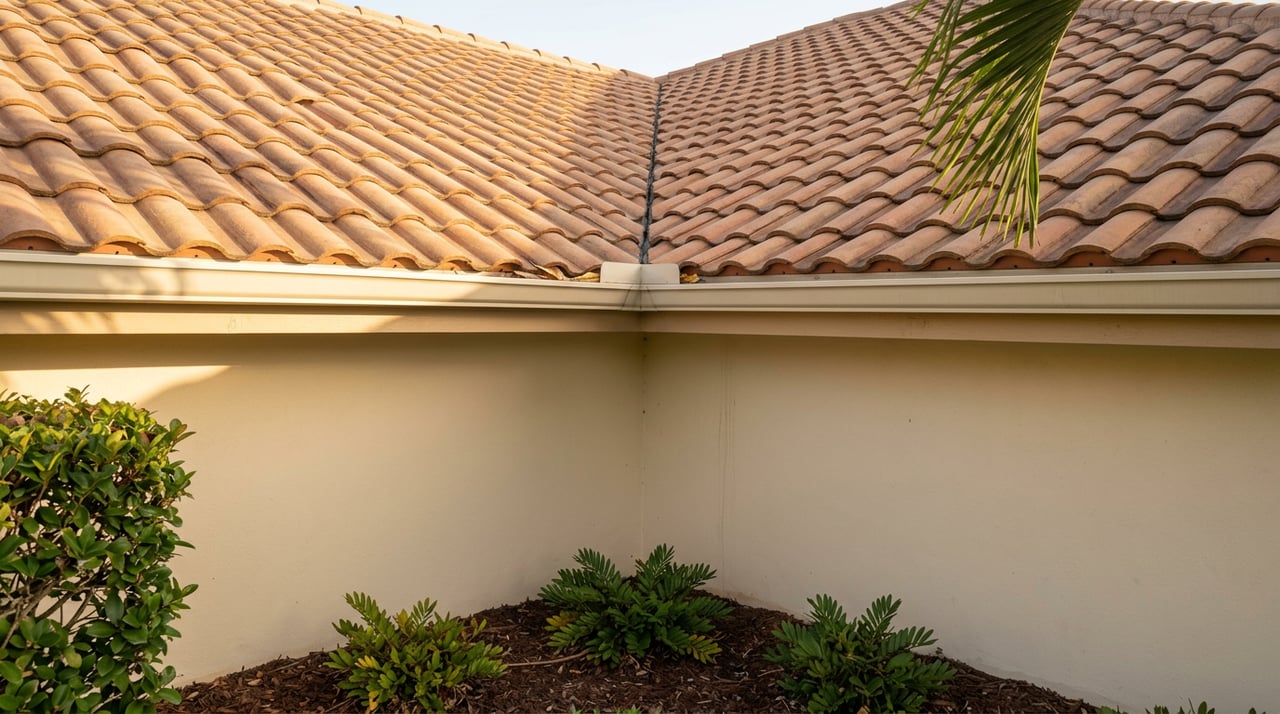
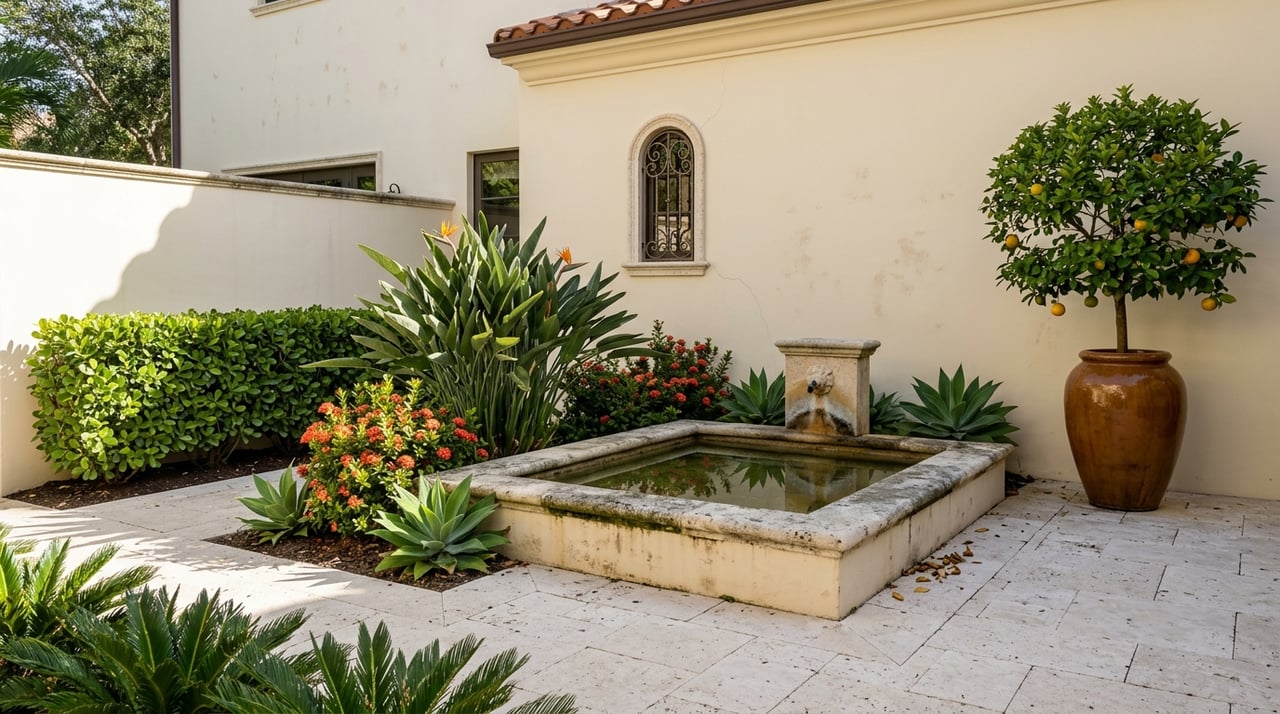
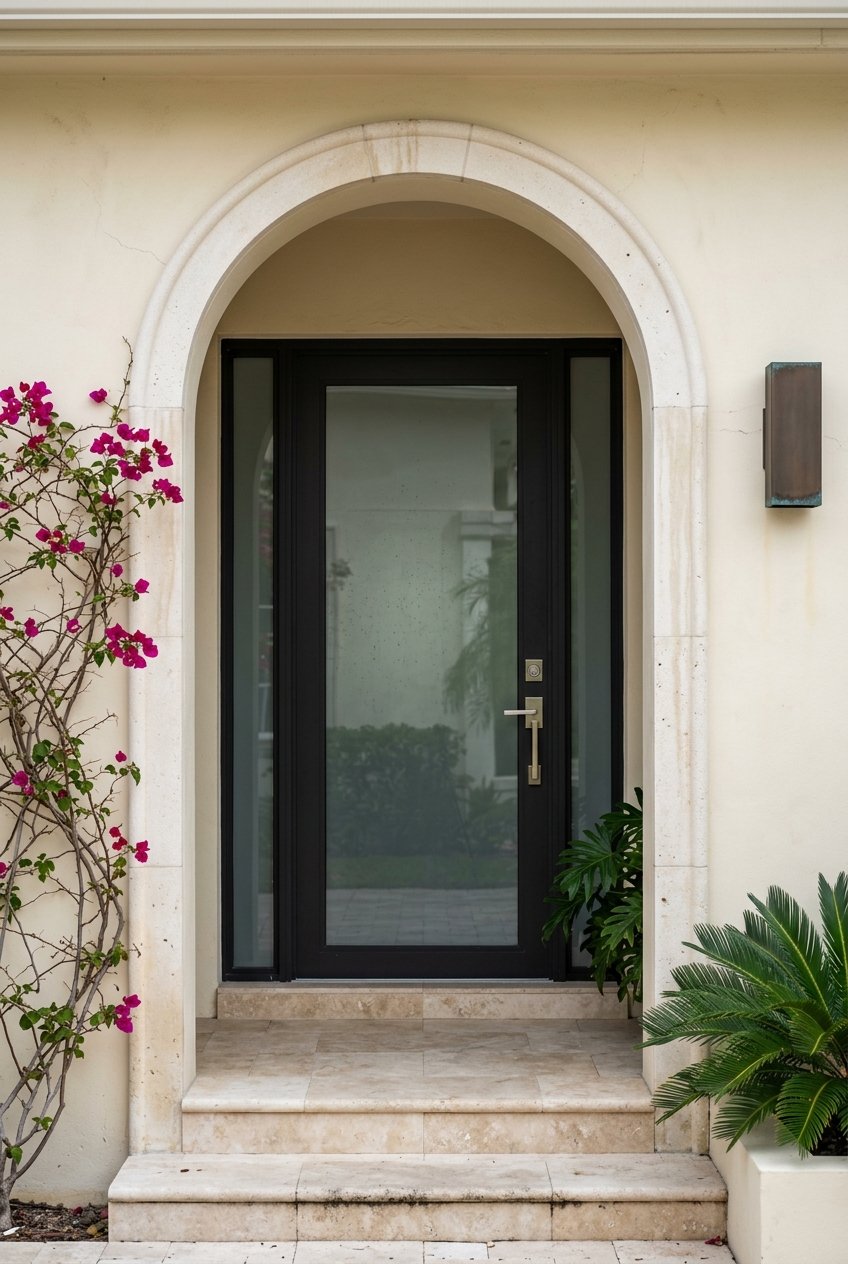
Historic homes in Coral Gables often stand out for their architecture and details. You may see coral rock, stucco, barrel tile, arches, loggias, and other original design elements that give these properties a strong sense of place.
For many buyers, that character is the whole appeal. A historic home can feel rooted in the city’s original identity in a way that is hard to replicate. If you value architectural texture and a classic Coral Gables streetscape, older homes often deliver that experience.
Historic areas are often block-specific
One of the most important things to understand is that Coral Gables is highly block-driven. The city’s landmark inventory includes a wide range of historic architecture, from Mediterranean Revival landmarks like City Hall and the Douglas Entrance to coral-rock and early vernacular buildings such as Merrick House.
The city also identifies several historic villages, including the Dutch South African, Chinese, French Normandy, Florida Pioneer/Colonial, French Country, French City, and Italian villages. These are tied to specific blocks and street boundaries, so the exact location matters as much as the broader Coral Gables name.
Renovation takes more planning
The biggest tradeoff with a historic home is usually renovation flexibility. Coral Gables routes permits through multiple departments, and historically designated properties may require Historical review and a Certificate of Appropriateness before exterior work can move forward.
The city’s guidance for construction in historic areas focuses on compatibility in scale, roof pitch, materials, height, massing, and window placement. Corner lots may face even more scrutiny because more of the home is visible from the street. If you are someone who wants to rework a home quickly, that extra process should be part of your decision.
Older systems can affect cost
Historic charm does not always mean lower ownership stress. Florida consumer guidance says insurers commonly use 4-point inspections for older homes, focusing on the roof, plumbing, electrical wiring, and HVAC. Citizens also says a four-point inspection is mandatory for homes more than 20 years old on personal residential multiperil applications.
Florida also notes that some insurers charge higher premiums based on age, location, construction material, and mitigation features. That means the cost conversation is not just about purchase price. You should also look closely at inspection findings, insurance quotes, and likely system updates.
There may be tax benefits
There is one financial upside that can matter for some buyers. Coral Gables says local designation alone does not raise assessed property taxes. The city also says approved improvements to designated historic properties may qualify for a 10-year freeze on the value of those improvements for local ad valorem taxation.
That does not make every historic purchase cheaper, but it can be a meaningful factor if you are improving a designated home and planning long-term ownership.
What newer homes offer
Newer homes in Coral Gables usually attract buyers who want modern systems, fewer near-term replacements, and a simpler day-to-day ownership experience. That can include newer roofing, plumbing, electrical, HVAC, and energy-related features built under the current Florida code framework.
The Florida Building Commission says the 8th Edition of the Florida Building Code became effective on December 31, 2023. Miami’s official code page lists the 2023 building, residential, mechanical, plumbing, energy, and existing-building codes as the applicable state codes.
Modern infrastructure can be a real advantage
Coral Gables says new construction must place utilities underground. The city also notes that some newer neighborhoods, such as Gables Estates, already have underground electrical infrastructure.
That matters for both appearance and storm performance. The city says FPL estimates underground lines perform 85% better during severe weather than overhead lines. For buyers who prioritize resilience and a cleaner streetscape, that can be a meaningful benefit.
Newer does not mean no review
A newer home does not automatically mean a faster or simpler process for every project. Coral Gables still routes many projects through building, zoning, public works, and, when applicable, historical or Board of Architects review. The city also handles permit applications electronically.
The difference is usually not the absence of process. It is that newer homes often come with fewer preservation constraints and fewer immediate replacement needs. If your goal is turnkey living, that can be a strong point in favor of newer construction.
Flood and insurance still matter
Even with a newer home, you still need to budget carefully for insurance and location-specific exposure. Florida says flood insurance is usually separate from homeowners coverage and may be required by a mortgage lender.
Miami-Dade provides flood-zone lookup tools and notes that coastal areas can have mandatory flood-insurance requirements in higher-risk zones. Coral Gables also highlights its vulnerability through monitoring work around the Coral Gables Waterway and the Islands of Cocoplum. If you are shopping near the water, architecture should never be the only thing driving your decision.
Compare micro-locations, not just age
One of the biggest mistakes buyers make is treating Coral Gables like one uniform market. It is not. Historic village blocks and the 1920s core often feel more compact and pattern-based, while newer estate or waterfront areas may offer different site geometry and setbacks.
If you want a historic feel, start by comparing the city’s core landmark and village areas, including the blocks around City Hall, Douglas Entrance, Merrick House, Venetian Pool, the Biltmore corridor, and the specific historic-village streets identified by the city. These are the areas where the original 1920s identity is most visible.
If you prefer a newer or estate-style setting, compare areas such as Gables Estates and the waterfront or canal-adjacent corridor around the Islands of Cocoplum and the Coral Gables Waterway. In those areas, flood exposure and storm-related costs deserve their own budget discussion.
How to decide which fits you
The right choice usually comes down to how you want to live, not just what looks best in photos. If you love architecture, value original details, and are comfortable with more review when making changes, a historic home may be the better match.
If you want modern systems, fewer near-term upgrades, and a more streamlined ownership experience, a newer home may make more sense. Neither option is automatically better. The best fit depends on your budget, timeline, renovation goals, and tolerance for ongoing maintenance.
Questions to ask before you buy
Before you move forward on either type of home, ask a few direct questions:
- Is the property locally designated, contributing, or simply older?
- Will exterior changes require a Certificate of Appropriateness or historical review?
- Is a four-point inspection likely to be required for insurance?
- What is the flood-zone designation, and will flood insurance be a separate monthly cost?
- If you want to add on, rebuild, or significantly alter the home, what city reviews may apply?
These answers can shape your true cost of ownership just as much as the sale price.
Choosing between a historic and a newer home in Coral Gables is really about balancing preservation rules, system age, insurance considerations, flood exposure, and the character of a very specific block. If you want help comparing neighborhoods, weighing tradeoffs, or finding the right fit for your goals, connect with Jon Gilman for local, high-touch guidance you can trust.
FAQs
What counts as a historic home in Coral Gables?
- In Coral Gables, a home generally must be at least 50 years old to qualify for local historic designation, but age alone does not automatically make a property historic.
Do historic homes in Coral Gables have renovation restrictions?
- Yes. Locally designated properties are reviewed before exterior alterations can receive permits, and some projects may require Historical review and a Certificate of Appropriateness.
Are newer homes in Coral Gables easier to maintain?
- Often, yes. Newer homes typically have more modern systems and may involve fewer near-term replacements, though they can still be subject to city review for certain projects.
Do older Coral Gables homes cost more to insure?
- They can. Florida says insurers commonly use 4-point inspections for older homes, and premiums may be affected by a home’s age, location, construction material, and mitigation features.
Is flood insurance important for newer homes in Coral Gables?
- Yes. Flood insurance is usually separate from homeowners coverage, and near-water areas in Coral Gables may involve higher flood exposure or lender-required flood coverage.
Should I compare neighborhoods or just compare home age in Coral Gables?
- You should compare both, but micro-location is critical in Coral Gables because historic village blocks, the 1920s core, and newer waterfront or estate areas can feel very different from one another.