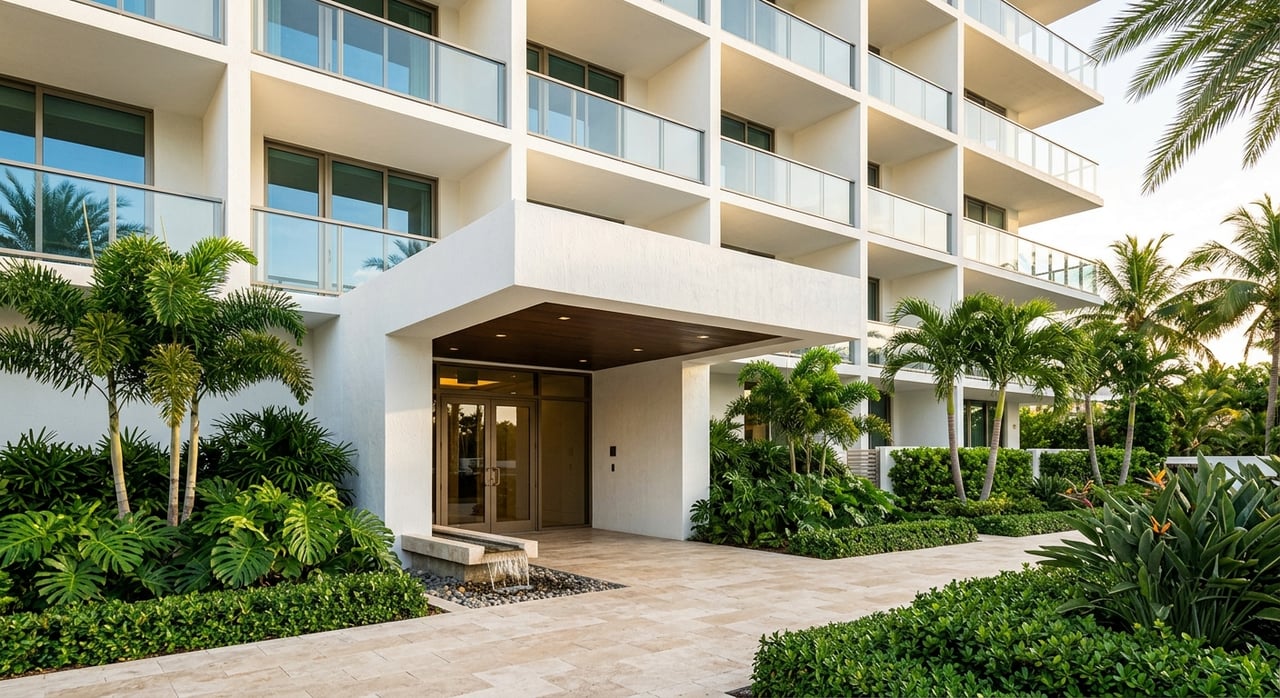
Wondering whether Coconut Grove or Coral Gables is the better condo match for your lifestyle? It is a common question, especially when both areas offer walkability, strong local identity, and easy access to some of Miami-Dade’s most appealing daily conveniences. If you are trying to choose between a more relaxed bayfront village feel and a more polished, planned setting, this guide will help you compare what everyday life can look like in each one. Let’s dive in.
Coconut Grove vs. Coral Gables at a Glance
If you are condo shopping in these two neighborhoods, the choice often comes down to how you want your days to feel. Coconut Grove tends to appeal to buyers who want a more eclectic, water-oriented setting with a strong sense of place. Coral Gables often fits buyers who prefer design consistency, an organized downtown, and a more formal residential atmosphere.
Neither is universally better. The right fit depends on whether you picture yourself near marinas and bayfront parks, or closer to a curated downtown experience with structured planning and a strong civic feel.
Coconut Grove Condo Lifestyle
Village feel and visual variety
Coconut Grove has a historic identity shaped by architectural variety, cultural diversity, walkability, and access to the water. City planning materials also note that parts of the neighborhood are intended to reflect native building traditions and Caribbean vernacular style. In practical terms, that helps explain why condo living in the Grove can feel more eclectic and less uniform from block to block.
If you enjoy neighborhoods that feel layered and organic, Coconut Grove may stand out right away. The area often feels more like a village than a master-planned district, which can be a major plus if you want personality and a setting that feels distinctly local.
Walkability and local movement
The Coconut Grove trolley serves the historic neighborhood Monday through Saturday from 6:30 a.m. to 11:00 p.m. It connects parks, shopping areas, City Hall, and key stops including the Coconut Grove and Douglas Road Metrorail stations. Stops also include places like Bayside Park, Armbrister Park, Douglas Park, and Grove Central.
For many condo buyers, that means you can build a daily routine that does not always depend on getting in the car. You also have Dinner Key Marina within a short walk of CocoWalk and the village retail and entertainment core, which adds to the neighborhood’s easygoing, waterfront rhythm.
Waterfront access and outdoor living
This is one of Coconut Grove’s biggest draws. Dinner Key Marina and Mooring Facility includes 587 wet slips and more than 250 moorings, serving transient, seasonal, long-term, and liveaboard customers. Peacock Park adds a 9.4-acre waterfront green space on Biscayne Bay, and Alice C. Wainwright Park offers another waterfront park option in northern Coconut Grove.
If your ideal condo lifestyle includes seeing the bay, walking near marinas, or spending time outdoors close to the water, Coconut Grove has an obvious advantage. The waterfront is not just nearby. It is part of how the neighborhood functions and feels day to day.
Coral Gables Condo Lifestyle
Planned character and architectural consistency
Coral Gables puts architecture at the center of its identity. The city’s zoning framework defines Mediterranean architecture as part of George Merrick’s original vision, and the Board of Architects reviews compatibility in areas like color, materials, proportion, and window design. Development review also requires tree surveys and tree protection plans, which supports the area’s green, planned appearance.
For condo buyers, this often creates a more polished visual experience. If you prefer a neighborhood that feels intentionally designed, carefully maintained, and architecturally cohesive, Coral Gables may feel like a natural fit.
Downtown convenience and transit connections
Coral Gables offers a free trolley Monday through Saturday, with annual ridership exceeding 1 million passengers. The system links major routes to Metrorail, and the Southern Loop pilot extends service toward the University of Miami, medical offices, schools, and other everyday hubs. Miracle Mile adds a classic walkable downtown with wide sidewalks, cafés, boutiques, events, and a Mediterranean-style streetscape.
That makes Coral Gables especially appealing if you want a condo lifestyle built around convenience and structure. You may find it easier to picture a routine here if your priorities include commuting options, downtown services, and a polished commercial core.
Parks, shoreline, and outdoor setting
Coral Gables also offers a strong outdoor lifestyle, but it shows up differently. The city reports more than 42 miles of scenic shoreline, with public information emphasizing flood mitigation, erosion control, stormwater management, and waterfront stewardship. Matheson Hammock Park & Marina brings together a 630-acre urban park, marina, beach, nature trails, atoll pool, and boating programs.
So while Coconut Grove often feels more directly tied to marina life, Coral Gables can appeal if you want water access in a more landscaped, park-centered environment. It is still connected to the water, just in a quieter and more structured way.
Which Lifestyle Fits You Best?
Choose Coconut Grove if you want
- A more eclectic, neighborhood-specific feel
- Easier access to marinas and bayfront energy
- Walkable village-style living near shops and parks
- A condo setting with more visual variety and historic character
Choose Coral Gables if you want
- A more polished and formally planned environment
- A classic downtown district with daily conveniences
- Strong trolley access and organized commuter connections
- A greener, more curated setting shaped by architectural review
This is where a personal tour matters. Two buyers can look at the same amenities and have completely different reactions based on how they live, commute, and spend weekends.
Condo Due Diligence in Both Areas
No matter which neighborhood feels right, condo due diligence matters just as much as lifestyle. In South Florida, the building and association details can have a real impact on your monthly costs, long-term planning, and peace of mind.
Review milestone inspection rules
Florida law requires milestone inspections for condominium or cooperative buildings that are three habitable stories or more by the year they reach 30 years of age, and then every 10 years after that. Local enforcement agencies may require inspections at 25 years in some cases based on saltwater proximity or local conditions.
In practical terms, that means many older condo buildings in both Coconut Grove and Coral Gables may already be subject to this review cycle. If you are considering an older building, ask early about milestone inspection status and any related findings.
Ask for reserve study information
Florida law also requires structural integrity reserve studies for qualifying older condominium associations. For associations in existence on or before July 1, 2022, the deadline was December 31, 2025, so by mid-2026 many older associations should have already completed one. For budgets adopted on or after December 31, 2024, owners generally may not waive or reduce reserves for items required in the study, except in limited multicondominium situations with approved alternative funding methods.
This matters because reserve planning can affect future assessments, monthly fees, and your understanding of how the association is preparing for major repairs. It is one of the most important parts of reviewing a condo purchase in either neighborhood.
Inspect association records carefully
Structural inspection reports and reserve studies are part of an association’s official records and must be provided to potential purchasers. The Florida Department of Business and Professional Regulation also notes that official records commonly include the declaration, bylaws, rules, budgets, meeting minutes, permits, warranties, insurance policies, and financial records.
When you review a condo, these records help you move beyond the unit itself. They can show how the association operates, how it budgets, and whether there are issues that deserve a closer look before you make an offer.
Confirm flood zone and insurance details
Flood checks are important in both Coconut Grove and Coral Gables. Miami-Dade’s flood-zone maps are the official source for confirming flood risk, and the county notes that special flood hazard areas can trigger mandatory flood insurance requirements. Coral Gables also states that most homeowner insurance policies do not cover flood damage.
If you are buying near the water, do not treat flood and insurance review as a minor step. Verify the flood zone, ask about the association’s records, and make sure you understand the insurance picture before you commit.
How to Make the Final Decision
The easiest way to decide is to picture your actual week, not just your ideal weekend. Where do you want to walk for coffee, how important is bayfront access, how much do commuter routes matter, and do you prefer a neighborhood that feels more organic or more structured?
Coconut Grove often wins buyers over with its marina energy, historic character, and village atmosphere. Coral Gables often stands out for its architectural consistency, polished downtown, and well-organized daily convenience. Both can be excellent condo markets, but they deliver a different version of Miami living.
If you want help comparing buildings, reviewing association details, or narrowing down the best fit for your goals, Jon Gilman can guide you with the kind of local, high-touch advice that makes the process feel a lot more manageable.
FAQs
Which neighborhood is better for a waterfront condo lifestyle, Coconut Grove or Coral Gables?
- Coconut Grove usually feels more directly tied to marina and bayfront living, while Coral Gables offers water access in a more park-centered and landscaped setting.
Which area has better walkability for condo buyers, Coconut Grove or Coral Gables?
- Both offer walkability, but Coconut Grove is often associated with a village core and waterfront leisure, while Coral Gables is known for a more organized downtown experience around places like Miracle Mile.
What condo documents should you review before buying in Coconut Grove or Coral Gables?
- You should review association records such as budgets, bylaws, rules, meeting minutes, insurance policies, financial records, permits, warranties, structural inspection reports, and reserve studies.
Do older condo buildings in Coconut Grove and Coral Gables need milestone inspections?
- Yes, Florida law requires milestone inspections for condominium or cooperative buildings that are three habitable stories or more by the year they reach 30 years of age, with repeat inspections every 10 years after that.
Why do flood zones matter when buying a condo in Coconut Grove or Coral Gables?
- Flood zones matter because Miami-Dade notes that special flood hazard areas can trigger mandatory flood insurance requirements, and standard homeowner insurance generally does not cover flood damage.