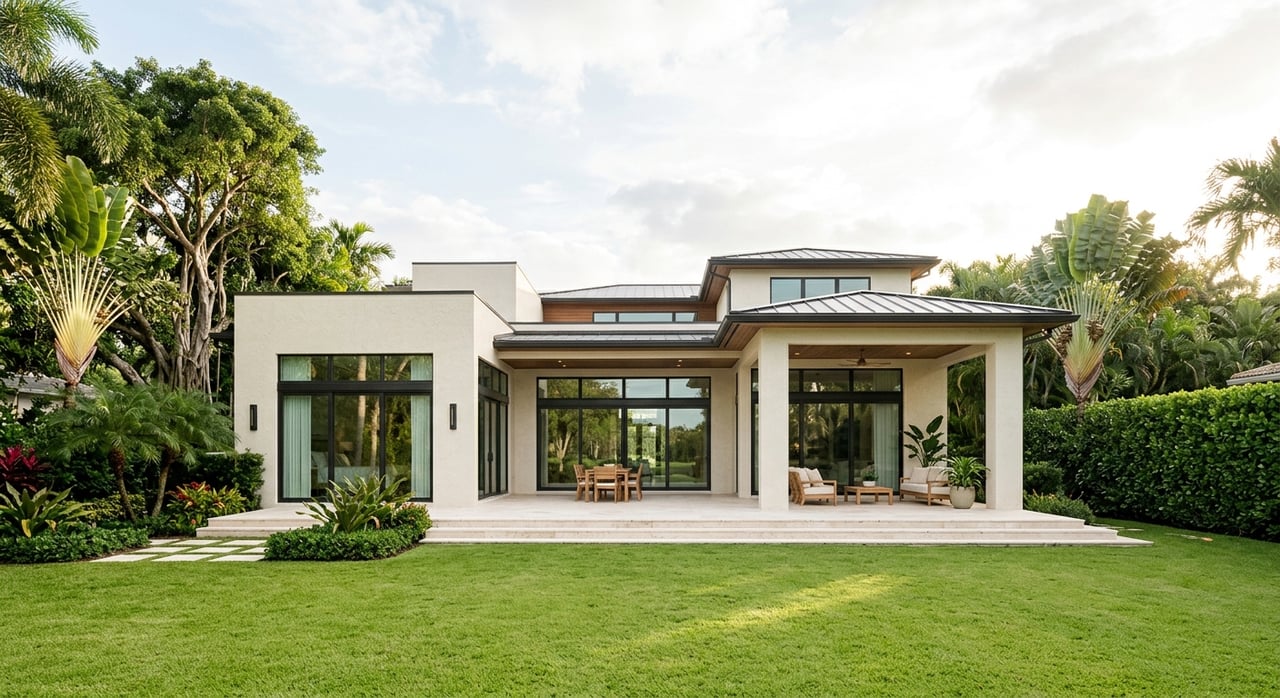
Wondering if Pinecrest is really worth the higher price tag? If you are comparing neighborhoods in Miami-Dade and trying to decide whether extra yard space, lower density, and a more residential feel are worth the added cost, you are not alone. The short answer is that for the right buyer, Pinecrest’s premium can make a lot of sense. The key is understanding what you are actually paying for and whether you will use it over time. Let’s dive in.
Why Pinecrest Costs More
Pinecrest is a small, primarily residential village with about 18,388 residents across roughly eight square miles. That works out to about 2,300 people per square mile, which is notably less dense than nearby Coral Gables and South Miami. If you value breathing room, that lower density is a meaningful part of the appeal.
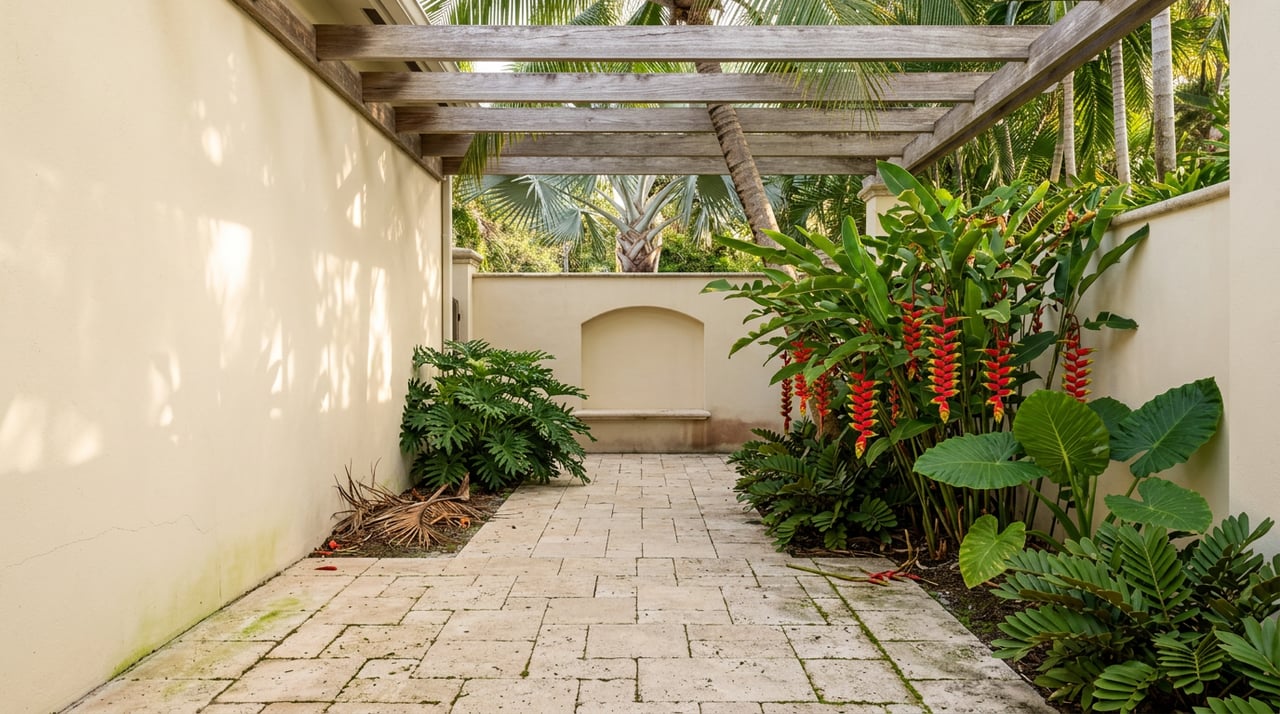
The village’s identity is closely tied to space. Pinecrest describes itself through tree-shaded streets, large estate lots, and outdoor amenities like Pinecrest Gardens. Its planning goals also emphasize preserving open space, landscaping, tree canopy, and a residential pattern that limits commercial intrusion.
That local planning approach matters because it helps explain the market. In Q4 2025, the median single-family sale price in Pinecrest was $2.6725 million. That was about 30% higher than Coral Gables at $2.05 million, about 138% higher than South Miami at $1.125 million, and nearly four times the Miami-Dade County median of $670,000.
What the Premium Really Buys You
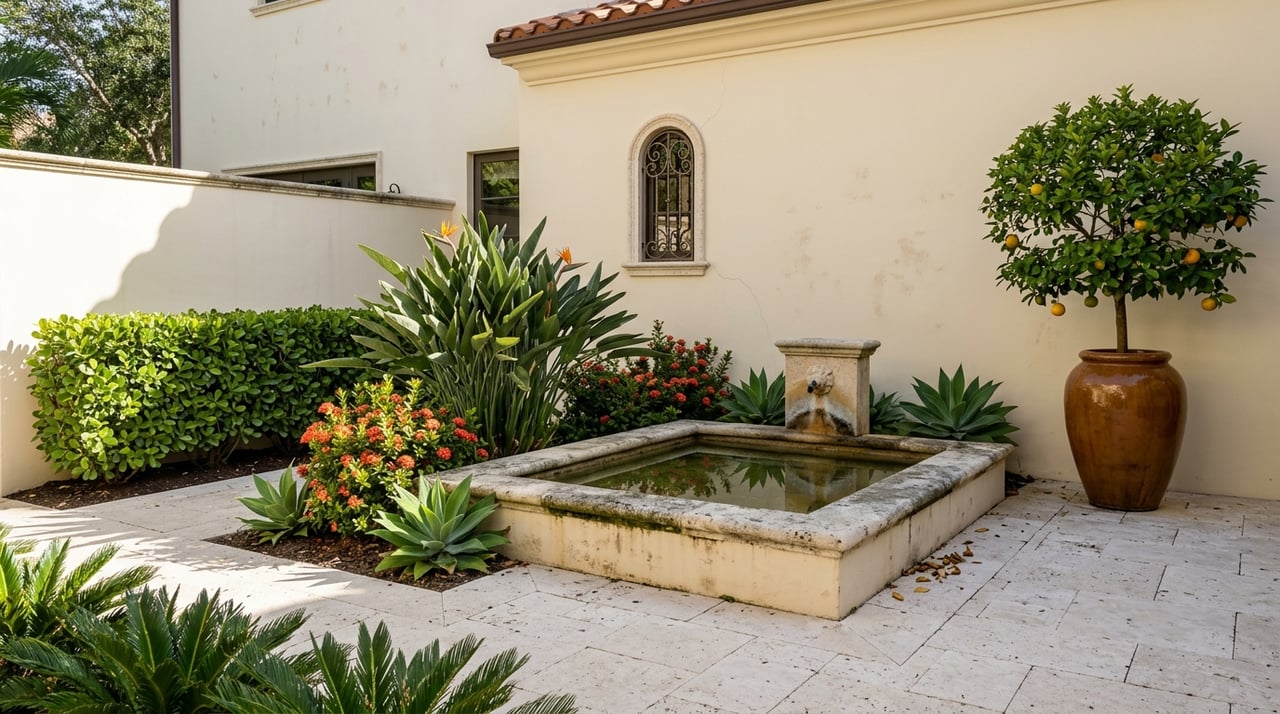
In Pinecrest, the premium is largely a land premium. You are often paying for a larger lot, more separation between homes, and a lower-density setting that can support more outdoor living. That can mean room for a pool, patio, gardening, pets, or entertaining, depending on the specific property.
The zoning helps support that value. Pinecrest’s estate districts require minimum lot areas ranging from 1 gross acre in EU-1 to 2.5 gross acres in EU-1C. Even standard single-family RU-1 and RU-2 lots start at 7,500 net square feet.
That does not mean every home will feel the same or offer the same usability. Lot shape, home placement, setbacks, and existing improvements all affect how much functional outdoor space you actually get. Still, the village’s rules and planning priorities clearly support the idea that space is part of the product.
Space Is More Than Square Footage
When buyers think about value, they often focus on interior square footage first. In Pinecrest, many buyers are also weighing how they want to live outside the walls of the home. That is an important difference.
If you want to host friends outside, create play space, add a pool, keep room for pets, or simply enjoy more privacy from neighboring homes, Pinecrest offers a use case that denser areas may not match as easily. The value is not just in having more land on paper. It is in having land you can use in a way that fits your lifestyle.
For many move-up buyers, that can feel like a long-term quality-of-life decision rather than a simple price comparison. If you expect to stay for years, the day-to-day benefit of extra space may matter more than the sticker shock.
Pinecrest’s Residential Character Adds Value
Pinecrest’s premium is not only about lot size. The village’s strategic planning language reinforces a clear commitment to preserving streetscapes, conserving tree canopy, and maintaining a residential estate pattern. That consistency can be attractive if you want a neighborhood setting that feels stable over time.
The village also points to multiple parks and community facilities, including Coral Pine Park, Pinecrest Community Center, Pawcrest Park, Red Road Linear Park, Suniland Park, and Pinecrest Gardens. Coral Pine Park specifically highlights a mature tree canopy and a pineland preserve. These amenities strengthen the outdoor, residential identity buyers often associate with Pinecrest.
The village also highlights five public schools and many private schools, and its strategic plan says educational institutions contribute significantly to property values. From a buyer’s perspective, that means the premium is tied not just to yard space, but also to a broader residential setting shaped by parks, open space, and community infrastructure.
How Pinecrest Compares Nearby
If you are deciding between Pinecrest, Coral Gables, and South Miami, it helps to compare both pricing and density.
| Area | Population Density | Median Single-Family Sale Price |
|---|---|---|
| Pinecrest | About 2,300 per sq. mile | $2.6725M |
| Coral Gables | 3,809.7 per sq. mile | $2.05M |
| South Miami | About 5,228.7 per sq. mile | $1.125M |
Pinecrest stands out as the lowest-density option of the three in this comparison, while also carrying the highest median single-family sale price. That supports the idea that buyers are placing a premium on space, land, and residential character.
If your priority is a more compact property, a lower entry point, or a more urban setting, Pinecrest may feel like more than you need. If your goal is more room and a quieter residential pattern while staying in Miami-Dade, the numbers help explain why buyers stretch for it.
When Paying More Makes Sense
Pinecrest tends to make the most sense when you will actively use the space for years. Buyers who get the most value from the premium are often looking for a property that supports everyday living beyond the home itself.
You may find Pinecrest worth it if you want:
- Room for a pool or expanded outdoor living
- More privacy and separation from neighboring homes
- Space for pets, gardening, or recreation
- A lower-density residential setting in Miami-Dade
- A long-term home that fits a move-up lifestyle
This is especially true if you are planning to stay put for a while. Over a longer timeline, the practical and emotional value of usable outdoor space can become easier to justify.
When the Premium May Not Be Worth It
Pinecrest is not automatically the right fit for every buyer. If your top priority is getting into the market at the lowest possible price, the premium may feel hard to defend.
It may also be less compelling if you prefer a smaller home with less upkeep. Larger lots and more outdoor space can bring more maintenance, and not every household wants that responsibility.
You may also prefer another area if your ideal lifestyle leans more compact or more urban. In that case, paying extra for land you will not use often may not be the smartest move.
A Better Way to Think About Pinecrest
Instead of asking whether Pinecrest is expensive, it helps to ask a more practical question: Will you use what Pinecrest is charging a premium for? That is the real test.
If you want more land, lower density, room to grow, and a residential setting built around open space, Pinecrest offers a clear value proposition. The village’s pricing reflects that buyers are not just paying for an address. They are paying for a specific type of lifestyle and property experience.
In the current market, Pinecrest also remains active. It ranked among the largest single-family million-dollar markets, and sales were up 19% from January through April 2026 compared with the same period a year earlier. That does not guarantee future performance, but it does show ongoing buyer demand for what Pinecrest offers.
For many families and move-up buyers, Pinecrest is worth the premium precisely because it is not trying to be the cheapest option. It is offering something more specific: usable land, a lower-density setting, and a residential environment that many buyers see as hard to replicate nearby.
If you are weighing Pinecrest against other Miami-Dade neighborhoods and want help comparing space, value, and long-term fit, Jon Gilman can help you sort through the options with clear, local guidance.
FAQs
Is Pinecrest more expensive than Coral Gables and South Miami?
- Yes. In Q4 2025, Pinecrest’s median single-family sale price was $2.6725 million, compared with $2.05 million in Coral Gables and $1.125 million in South Miami.
What are Pinecrest buyers paying extra for?
- Buyers are often paying a land premium for larger lots, lower density, more open space, and a residential setting shaped by parks, landscaping, and tree canopy.
Does Pinecrest have lower density than nearby areas?
- Yes. Pinecrest has about 2,300 people per square mile, compared with 3,809.7 in Coral Gables and about 5,228.7 in South Miami.
Do Pinecrest lot sizes help explain home prices?
- Yes. Pinecrest zoning includes estate districts with minimum lot sizes from 1 gross acre to 2.5 gross acres, while standard single-family lots start at 7,500 net square feet.
Is Pinecrest worth the premium for every buyer?
- No. It tends to make the most sense for buyers who will actively use the extra outdoor space and want a long-term residential setting in Miami-Dade.