Torn between Coral Gables and Pinecrest for your next move? You are not alone. Both communities in central Miami-Dade are favorite picks for growing families, yet they feel very different day to day. In this guide, you will get a clear, side-by-side look at lifestyle, schools, commutes, lots, renovation rules, and practical steps to decide with confidence. Let’s dive in.
Coral Gables: strengths and tradeoffs
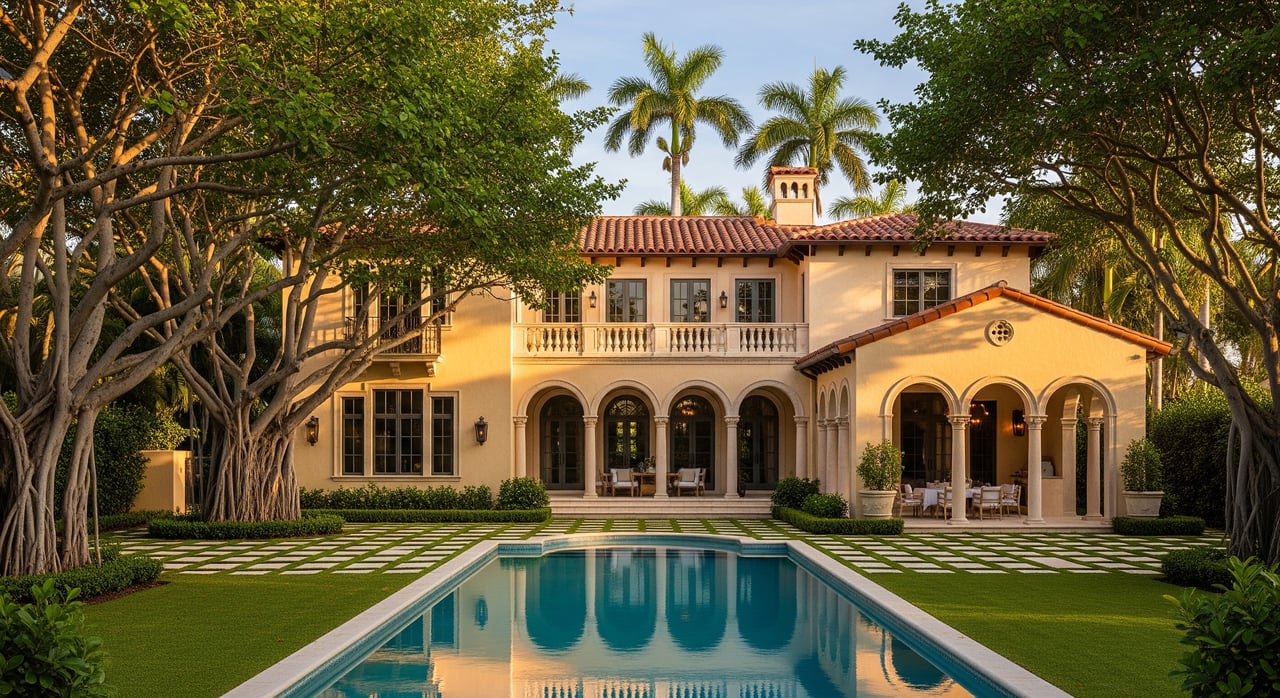
Coral Gables blends history, planning, and convenience. You will find Mediterranean and Spanish Revival architecture, tree-lined streets, and an “urban-suburban” feel near Miracle Mile with quieter pockets farther from the commercial core. Many families like the quick access to dining, cultural venues, and parks such as the Venetian Pool and city green spaces.
Housing is a mix of historic single-family homes, mid-century properties, newer infill builds, and condos near the retail corridors. Lot sizes vary. Some blocks have smaller urban lots, while other areas offer larger parcels. Teardown-and-rebuild activity is common on high-demand streets, which can be a plus if you plan a long-term custom update.
School access and variety are a big draw. Coral Gables sits near numerous public, magnet, and private options. With Miami-Dade County Public Schools, exact assignments depend on property address, and magnet or specialty programs may extend your choices. The proximity to private schools and selective programs is a practical advantage if you want a range of options.
Commuting is where Coral Gables often shines. You are closer to Downtown, Brickell, and other central job centers than in more southern suburbs. There is some walkability in central areas and better access to transit compared with lower-density suburbs, which can reduce drive time variability.
On the regulatory side, Coral Gables has strong planning and historic preservation rules. If you plan a renovation or addition, expect design review in certain districts and a more detailed permitting process. This oversight helps protect neighborhood character but can add time to projects.
Pinecrest: strengths and tradeoffs
Pinecrest is known for space, privacy, and a park-like suburban vibe. Streets are quiet, landscaping is mature, and the pace feels slower. Inside the village, you will rely more on nearby commercial corridors just outside Pinecrest for shopping and dining.
Housing is largely single-family and low density. Many parcels range from a quarter-acre to one acre or more in legacy areas. You will see ranch and mid-century homes alongside newer high-end builds. Fewer condos and multi-family options mean most families here choose a single-family lifestyle.
Family living is the focus. Local parks, Pinecrest Gardens, and community programming support an active, outdoor routine. Many buyers choose Pinecrest for larger yards, pools, and the school landscape that includes assigned public options plus nearby private choices. As with any Miami-Dade address, verify your exact school assignments and program eligibility before you decide.
The main tradeoff is commute time. Pinecrest sits farther south, so trips to Downtown, Brickell, or Miami International Airport can run longer than from Coral Gables. Daily driving is the norm, and public transit density is lower.
Zoning in Pinecrest emphasizes single-family character with larger lot minimums in many areas. Check setbacks and rules for accessory structures or additions before you plan a pool house, guest suite, or detached office.
School planning made simple
Public school assignments in Miami-Dade are address-specific. Your assigned schools can change at boundary updates, and popular magnet programs often use applications or lotteries. Private and parochial options are spread across the central Miami area, with many near Coral Gables and Coconut Grove.
Use a simple process:
- Verify the exact neighborhood school assignments for any property you are considering.
- Review magnet and specialty programs that align with your child’s interests, including application windows and transportation details.
- Check recent Florida Department of Education report card trends for a 3 to 5 year view rather than one-year snapshots.
- Call school offices about capacity, waitlists, and before or after-care availability that fits your schedule.
Avoid thinking only in letter grades. Look at programs, logistics, class sizes, extracurriculars, pickup patterns, and sibling continuity. If you expect to live in the home long term, consider whether your children could age out of a current assignment before a potential boundary shift.
Commute and daily life
Coral Gables often gives you the shortest trips to central job hubs. That proximity can reduce stress on school mornings and allow more flexibility for evening activities. If you split work locations or travel often, the central position helps.
South of Coral Gables, Pinecrest offers a quieter, low-density setting and bigger yards. The tradeoff is a longer drive for many families headed north during peak times. Public transit density is lower, so plan for car-based routines.
In all of Miami-Dade, travel is time-sensitive. The same route can vary widely between peak and off-peak periods. When you are serious about a property, run test commutes at real morning and afternoon peaks, and factor in school drop-off windows.
Homes, lots, and remodels
If you want a larger private yard, Pinecrest is often the most direct path. Many lots can comfortably fit pools, play areas, and outdoor kitchens. The single-family focus means fewer attached housing options but a stronger emphasis on backyard living.
In Coral Gables, you will see a wider mix. Some streets have smaller lots and historic architecture that families cherish, while other pockets offer more space. Teardowns and infill builds are common where land is highly valued. That can be attractive if you want to customize, though it may come with design review in historic areas.
Costs and regulations vary by municipality. Before you commit to a remodel, check zoning, setbacks, historic overlays, and expected permitting timelines. If you value quick updates, a non-historic Coral Gables property or a Pinecrest home with straightforward zoning can streamline your plan.
Flood, insurance, and resiliency
Miami-Dade is coastal and storm-prone, so flood zones and elevation matter. Flood zone classification affects insurance costs and building requirements, and premiums can vary by property features and location.
Do this for every serious candidate:
- Obtain the elevation certificate and confirm the FEMA flood zone.
- Ask for the current insurance premium and any wind mitigation credits.
- Review prior flood loss history when available.
- Factor roof age, opening protection, and mechanical systems into your budget.
A property that looks similar on paper can carry very different insurance and resiliency profiles. Check these items early so you compare homes on a true cost basis.
A quick decision framework
Use this simple, five-step process to pick your best fit:
- Confirm school fit
- Verify the exact public assignments for the property address. List magnet or specialty programs you would pursue and note application timing.
- Set non-negotiables
- Define minimum bedrooms, office space needs, and backyard size. If a pool or guest suite is important, document it now.
- Test the commute
- Run live peak-hour routes for your top two destinations, including school drop-offs. Repeat off-peak to understand your full daily rhythm.
- Verify flood and insurance
- Get elevation data and current insurance quotes for each target property. Estimate future improvements that could change premiums.
- Check zoning and permits
- Confirm setbacks, historic overlays, and permit timelines. If you plan an addition, get a quick read from a designer familiar with local rules.
Who loves each area
- Coral Gables fits families who want convenience, a mix of housing types, and nearby cultural amenities. If you value shorter drives to Brickell or a central hub for private and magnet school options, this location is appealing.
- Pinecrest fits families who want space, privacy, and a yard-first lifestyle. If you plan to host, garden, or build an outdoor retreat, the lot sizes and single-family focus make sense.
Both communities support family life. The question is which daily rhythm you prefer and where you want to invest in space, time, and routine.
When South Miami makes sense
If you find Coral Gables tight on lot size and Pinecrest a stretch on budget or commute, consider South Miami as a middle ground. It offers a mix of single-family homes, townhomes, duplexes, and mid-rise condos, with pockets of walkability and access to retail and parks. Commute times typically fall between Coral Gables and Pinecrest. For some families, this balance of convenience and affordability is the sweet spot.
Work with a local guide
Choosing between Coral Gables and Pinecrest is not just a map decision. It is about matching your family’s routine, school plan, and home goals with the right street and the right property. A local advisor can help you verify school boundaries, run commute tests, and spot zoning or flood issues before they become deal-breakers.
If you are ready to compare homes side by side, reach out to Jon Gilman for a friendly, data-informed plan and on-the-ground tours tailored to your family.
FAQs
What are the biggest differences between Coral Gables and Pinecrest?
- Coral Gables offers central convenience and mixed housing options, while Pinecrest prioritizes larger lots, privacy, and a quieter suburban feel.
How should I evaluate public and magnet school options in Miami-Dade?
- Check the exact address-based assignments, review magnet program details and timelines, and look at multi-year Florida DOE report card trends for context.
Will my commute be better from Coral Gables or Pinecrest?
- Coral Gables is closer to central job hubs, while Pinecrest typically requires longer drives; test your routes at real peak times to compare.
Which area is better for remodeling or rebuilding?
- Coral Gables has more historic oversight in some districts, while Pinecrest zoning emphasizes single-family with larger setbacks; confirm rules before planning.
How do flood zones and insurance affect my choice?
- Flood zone, elevation, roof and opening protection, and prior loss history can change premiums and requirements; review these for each property early.